How a Large Construction Cleanup in Los Angeles Was Streamlined with Easy Waste Management
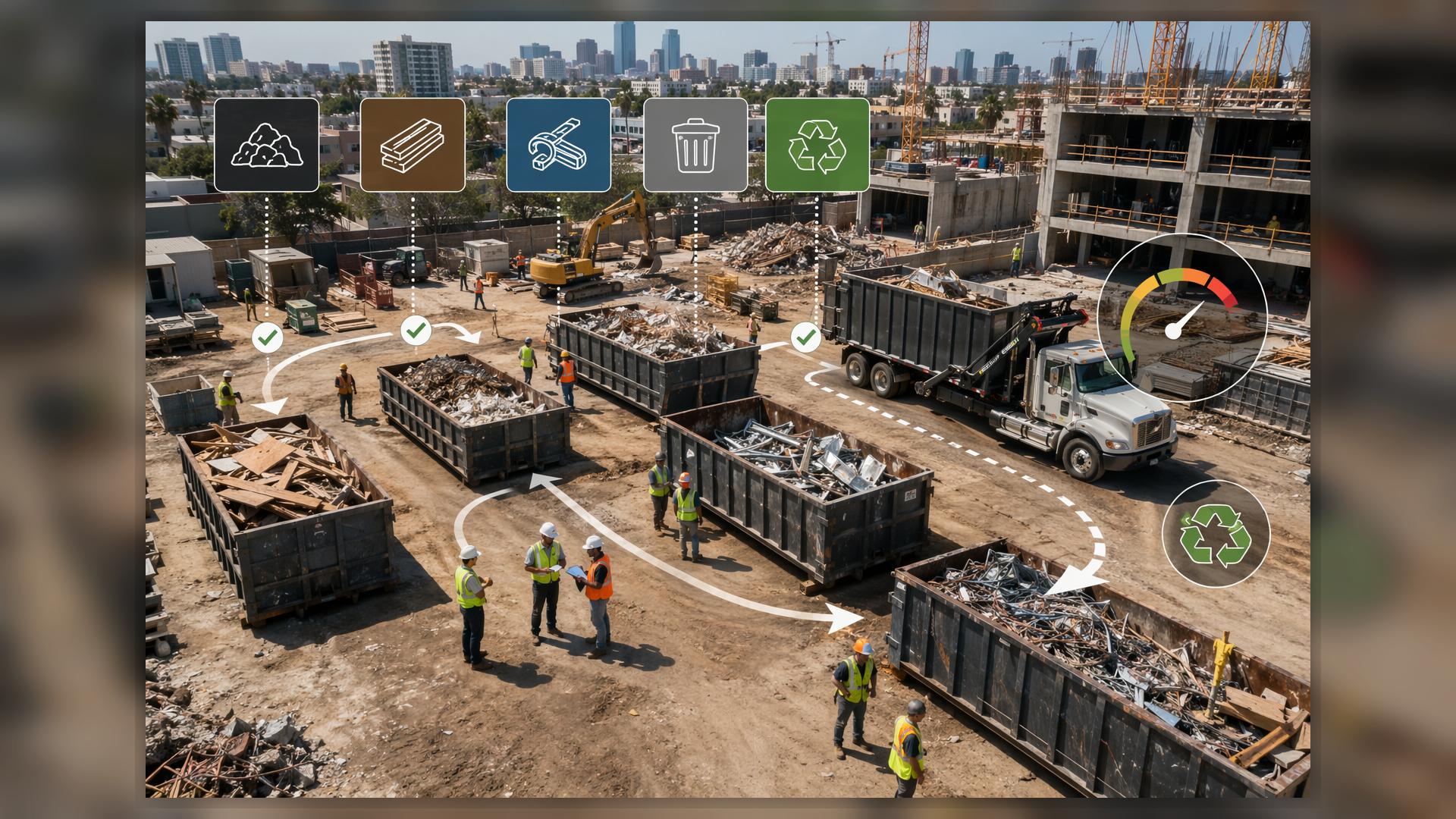
Large-scale construction projects in Los Angeles come with a predictable set of logistical challenges, and waste disposal is rarely at the top of the planning agenda until it becomes a problem. When debris accumulates faster than it can be removed, timelines slip, worksites become hazardous, and project budgets take an unexpected hit. For one general contractor overseeing a sizable demolition and renovation project in the greater Los Angeles area, those exact pressures were already building before the crew had finished the first phase of work.
The decision to bring in Easy Waste Management proved to be a turning point. What had started as a reactive fix quickly became a case study in how the right waste management partner can reshape the operational flow of a complex construction job. From container placement to final haul-away, the process ran with a level of coordination that the project team had not initially expected.
The Scale of the Cleanup Operation
A Project with Considerable Debris Volume
The construction site in question involved the partial demolition of a commercial structure, followed by interior renovation across multiple floors. The volume of waste generated was substantial, covering everything from broken drywall and concrete rubble to old fixture materials and mixed recyclables. At peak activity, the site was producing several tons of debris per day, which created an immediate need for high-capacity removal solutions that could keep pace with the construction schedule.
Easy Waste Management assessed the scope early in the engagement and recommended a multi-container deployment strategy. Rather than a single large dumpster that would require frequent swaps, the team placed several roll-off containers at designated zones across the site. This approach minimized the time workers spent transporting waste and reduced the risk of debris accumulation near active work areas.
Coordinating Pickups Around an Active Worksite
One of the more overlooked complications of large construction cleanups is scheduling haul-away services without disrupting active crews. On a busy site, every hour of blocked access represents real cost. Easy Waste Management worked directly with the project superintendent to establish a pickup rotation that aligned with the construction schedule rather than a fixed calendar slot.
Containers were swapped out during planned downtime windows, and the logistics team remained responsive to schedule changes as they arose. When a phase of demolition wrapped ahead of schedule and debris volume spiked unexpectedly, the company arranged additional containers within the same business day. That kind of responsiveness is not always standard in the waste management industry, and it made a measurable difference in how smoothly the site operated during its most intense phases.
Why Proper Waste Sorting Mattered on This Job
Separating Materials to Reduce Costs and Environmental Impact
Construction waste in California is subject to strict disposal and diversion requirements, and Los Angeles in particular enforces compliance through its local ordinances. Failing to properly separate recyclable materials from general waste can result in fines and added disposal fees that inflate project costs significantly. For this reason, the sorting and categorization of debris was not simply a best practice on this job; it was a financial and regulatory necessity.
Easy Waste Management provided clear guidance on how to designate materials at the source, which helped the construction crew develop sorting habits early in the project. Concrete and masonry were separated from wood framing materials, and metal components were kept distinct from mixed waste. The result was a diversion rate that kept the project well within compliance thresholds and reduced the overall tonnage sent to landfill.
How Material Diversion Contributed to the Project Budget
The financial case for proper waste sorting becomes tangible when disposal fees are broken down by material type. Recycled concrete and clean wood typically carry lower tipping fees than mixed construction waste, and in some cases, metal materials can be diverted to scrap facilities at no cost. By implementing a structured separation process, the project team saw a noticeable reduction in disposal line items compared to earlier phases of the build where sorting had been inconsistent.
As noted in an article on kroissdevelopment.com, partnering with a provider like Easy Waste Management can directly reduce disposal costs on large-scale construction projects, which mirrors precisely what this site experienced once a proper diversion protocol was in place.
Choosing the Right Container Sizes for Each Phase
Matching Container Capacity to Project Phases
Not all construction phases generate the same type or volume of waste, and deploying the wrong container size is a common source of inefficiency on larger jobs. Heavy demolition produces dense, bulky debris that fills containers quickly and requires containers rated for significant weight. Later renovation phases, by contrast, tend to generate lighter mixed materials that are better suited to larger-volume containers with less structural demand.
Easy Waste Management's team took the time to understand the project timeline before recommending a container plan. The demolition phase was equipped with heavier-rated roll-off units, while the finish work and interior renovation phases used a different configuration. This phased approach meant that the right equipment was on-site at the right time, preventing both the cost of oversized containers and the operational friction of undersized ones.
Flexibility in Rental Terms to Match Construction Timelines
Construction timelines rarely follow a straight line, and rigid rental agreements can create problems when a phase runs long or a delay pushes the schedule back. Easy Waste Management offered rental terms that could flex with the realities of the job, allowing containers to remain on-site as needed without punitive overage charges that would have added unnecessary pressure to the project manager's budget decisions.
This flexibility extended to the end of the project as well. When the final cleanup phase ran slightly longer than anticipated due to a late delivery of finish materials, the rental period was extended without friction. The absence of that administrative burden allowed the project team to stay focused on the work rather than managing vendor negotiations alongside an already complex close-out process.
Navigating Los Angeles Waste Regulations
Local Compliance Requirements for Construction Projects
California's construction and demolition waste regulations are among the most stringent in the country, and Los Angeles County adds its own layer of ordinances that contractors must navigate carefully. Projects above a certain square footage are required to submit waste management plans and document diversion efforts, and failure to comply can delay permit sign-offs and result in financial penalties that affect the project's bottom line.
Easy Waste Management operates with an understanding of these local requirements built into their service model. Documentation for material diversion was maintained throughout the project and provided in a format that aligned with what the contractor needed for permit compliance. This meant that the administrative side of waste tracking did not fall entirely on the project team, which would have added hours of work to an already demanding schedule.
Avoiding Common Compliance Pitfalls
One of the more common compliance issues on large construction sites is the co-mingling of hazardous materials with general construction debris. Old building materials can contain asbestos, lead paint residue, or other substances that require separate handling and disposal under California regulations. Easy Waste Management helped the site team identify and separate these materials before they became a contamination issue within the general waste stream.
An article on iictg.org highlights how working with an experienced waste management company like Easy Waste Management helps contractors stay compliant with local regulations, which proved to be one of the most practically valuable aspects of this particular engagement given the age of the structure being renovated.
The Final Cleanup and Site Clearance
Clearing the Site for Final Inspections
The final stage of any construction project includes a thorough site clearance before inspections and handover. On a job of this scale, that means removing not just large debris but also the fine-grade material that accumulates over months of construction activity. Dust, small fragments, and residual materials left behind after container removal can create friction during the inspection process and reflect poorly on the contractor's overall performance.
Easy Waste Management coordinated the final haul-away to align with the project's inspection timeline, ensuring that the last container was removed and the site was clear before the relevant city inspectors arrived. The contractor noted that the timing and execution of that final phase were handled with the same professionalism that had characterized the entire engagement, which is not always the case when vendors are managing the tail end of a long project.
What a Clean Site Means for the Client Relationship
For the general contractor, delivering a clean, well-documented site at project close is part of the professional standard that clients remember. A disorganized close-out, even on a well-built project, can leave a lasting negative impression that affects future referrals and repeat business. In this case, the orderly management of waste throughout the project contributed directly to a clean handover and a satisfied client.
The contractor credited Easy Waste Management's consistency as one of the factors that allowed them to maintain control over the site environment from start to finish. In an industry where subcontractor reliability is a genuine variable, that consistency carried significant practical value.
Lessons Carried Forward from This Project
What Made This Engagement Work
Looking back at the full arc of the project, several factors stand out as having made the Easy Waste Management partnership effective. Early planning and a willingness to assess the specific needs of the site before defaulting to a standard solution made a tangible difference. The ability to adapt to changing conditions without renegotiating terms at every turn kept the relationship straightforward and reduced the management overhead on the contractor's side.
The company's knowledge of local regulations also meant that compliance was handled proactively rather than reactively, which is a significant distinction on a project where regulatory missteps carry real financial consequences. For contractors working in a market as complex as Los Angeles, having a waste management partner that understands the local environment is not a luxury; it is a meaningful operational advantage.
Applying These Practices to Future Construction Projects
The approach developed on this project has since informed how the contracting team plans waste management for similar jobs. Container zoning, phase-aligned rental terms, and material separation protocols have been incorporated into the standard pre-construction planning process. What began as a mid-project correction has become a repeatable framework that the team applies from the outset.
Easy Waste Management's role in shaping that framework demonstrates what a capable waste management partner can contribute beyond the transactional act of picking up containers. The operational value of that partnership extends well past any single job, influencing how future projects are planned, budgeted, and executed.
A Cleanup That Delivered More Than It Promised
The Easy Waste Management engagement on this Los Angeles construction project illustrates how a well-matched waste management provider can do more than simply handle debris. By bringing logistical precision, regulatory knowledge, and operational flexibility to a job that had every reason to become complicated, the company helped the contracting team stay on schedule, remain compliant, and close the project on a strong note. For contractors facing similar challenges in high-demand urban markets, this case offers a grounded example of what the right partnership looks like in practice.